Beyond the Screen: Are Coding Apps Actually Teaching Your Kids or Just Mimicking YouTube?
The pitch is almost too perfect: your kid’s glued to YouTube, so swap it for a coding app and call it educational. A neat little narrative that lets everyone feel good.
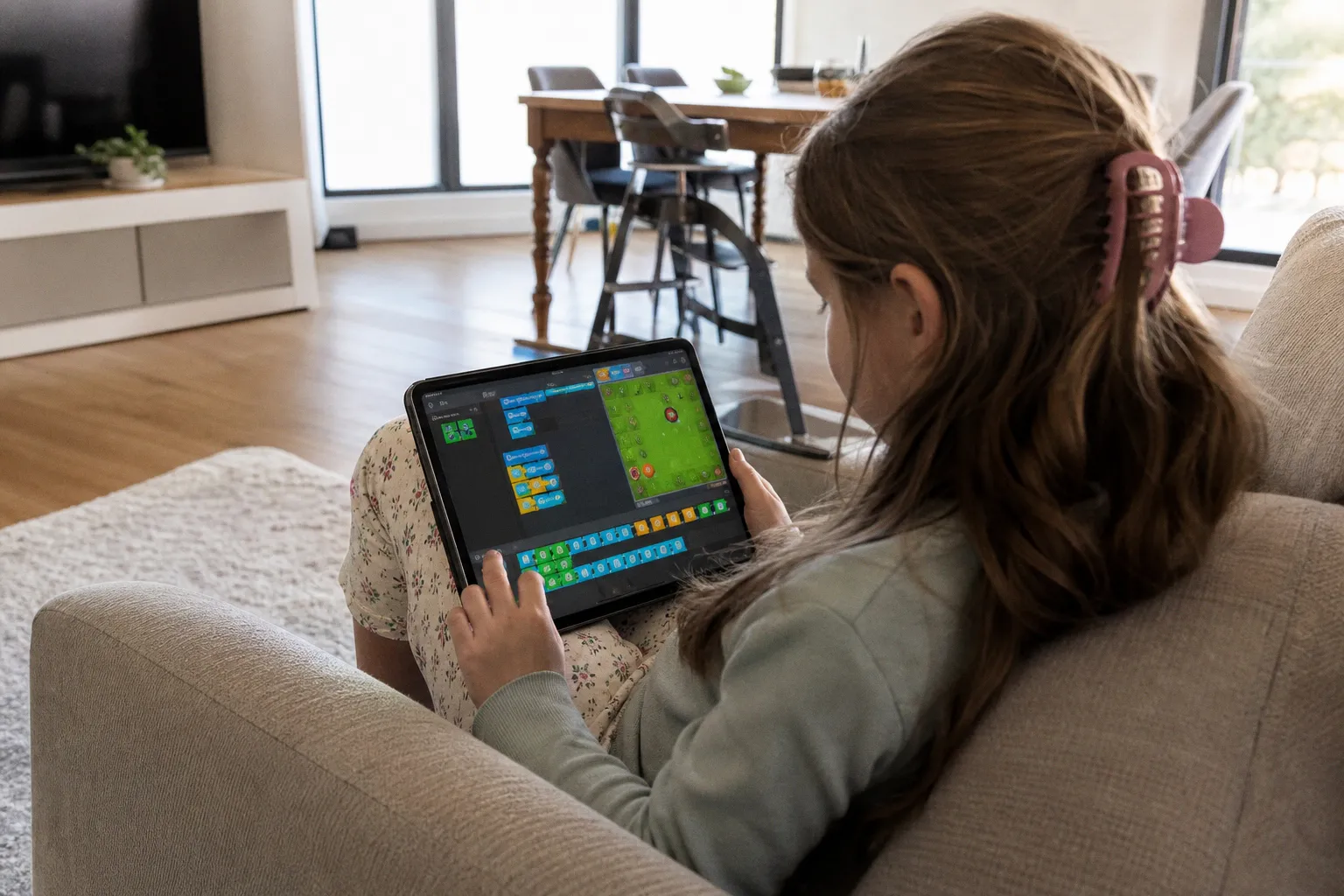
But as reports of parental pushback against classroom edtech grow louder, you have to wonder if we’re just swapping one dopamine hit for another, dressed in a lab coat.
The Nevada Reality Check
It’s not just anecdotal griping. In Nevada, a coalition of parents is actively pushing for screen-free learning, with groups like the Washoe Parents Coalition advocating for their “Schools Beyond Screens” initiative. Their argument, as reported, is that the heavy reliance on EdTech in classrooms—from 1:1 device models to online platforms—isn’t backed by enough independent proof of effectiveness. This isn’t anti-tech; it’s a demand for evidence. When a parent tells you screen time has become nearly impossible to avoid even while trying to reduce it at home, the easy solution of a “learning app” starts to look like part of the problem, not the fix.
The Policy Front Gets Murkier
The debate is moving beyond local school boards. A newly proposed AI youth policy framework is advocating for adult-only restrictions on AI companions specifically to safeguard children’s digital learning environments. This signals a growing regulatory skepticism toward the very tools being marketed as the future of education. The core tension is clear: while the personalized learning market expands, so does the counter-movement demanding proof of safety and efficacy first. For us, this means any app claiming to be “educational” needs to be scrutinized not just for its learning content, but for its underlying engagement mechanics. Is it teaching neuroplasticity, or just mining a child’s attention span for the next session?
The Bottom Line
So, should you download that coding app to redirect screen time? Maybe. But do it with your eyes wide open. Treat it less like a magic panacea and more like a controlled experiment. Set hard time limits. Look for apps that use spaced repetition, not just flashy rewards. And know that the broader conversation among parents and policymakers is moving toward a simple, harsh question: where’s the proof that this works better than old-fashioned, screen-free play and instruction? The best “learning app” might just be one that gets deleted after 20 minutes, because the kid ran off to build a fort.