Screens before age two may come with serious developmental risks, study warns
No, your baby does not need a “learning app” before breakfast. A report covered by Digital Trends says a major review warns that regular intentional screen time before age two may be linked with serious developmental risks.
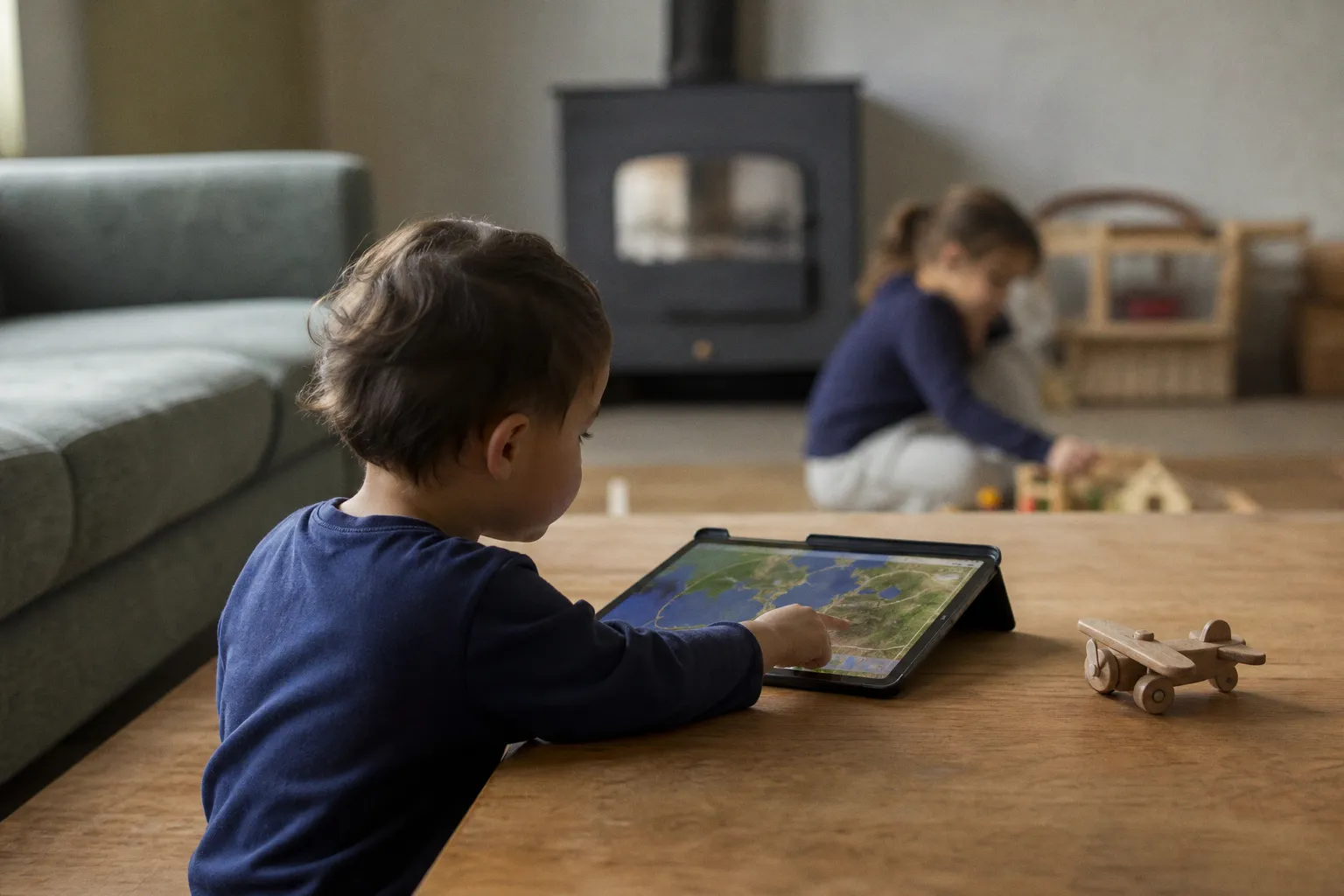
The warning lands right where baby-tech marketing gets slippery
According to the report, researchers from four UK universities reviewed global research on screen use during the first 1,001 days, from pregnancy to age two. The work was commissioned by the 1001 Critical Days Foundation and conducted by the iADDICT research group.
Their recommendation, as reported, is blunt: babies and toddlers under two should avoid regular intentional screen time.
That is a problem for the whole “tiny genius with a tablet” fantasy. The review links higher screen exposure in the first two years with sleep problems, language delays, behavioural difficulties, obesity risk, short-sightedness, and later problems with friendships and social interaction.
Important: the review does not prove screens directly cause every issue it identifies. That caveat matters. Cognitive development is not a vending machine where you insert minutes and get one neat outcome. But the pattern is still a red flag, especially when screens become a routine soothing tool rather than an occasional emergency brake.
The real issue is displacement, not just “bad content”
This is where I get twitchy about baby apps promising “early learning.” The concern is not only what a child is watching. It is what the screen pushes out of the day.
The report points to the basics babies actually need: language exposure, physical play, sleep, eye contact, caregiver attention, and normal social interaction. None of that is glamorous. None of it has a subscription funnel. But it is the scaffolding.
A screen can deliver a dopamine hit. It can hold attention. It can make a hard moment quieter. That is exactly why it is tempting during feeding, bedtime, chores, or when a parent simply needs a break. Digital Trends notes that screens have become a kind of digital pacifier for many babies.
The review also found screen use reported in more than 70% of babies and under-twos. One in ten babies regularly fell asleep with a screen, and some children were exposed for several hours a day. That is not “five minutes while the pasta boils.” That is habit formation.
And habit formation is where neuroplasticity stops sounding like a marketing buzzword and starts sounding like a design problem.
What parents and educators should actually do with this
Do not panic-download a “better” toddler app. That is the trap. The practical takeaway is to audit the role screens play before age two.
Ask one hard question: is the screen replacing a human interaction, a nap, a crawl, a conversation, or a chance to self-soothe without a device? If yes, the app’s badge, mascot, or “learning pathway” does not matter much.
For parents choosing learning apps for older kids, this warning should sharpen the filter. Look for tools that support short, intentional use rather than endless stimulation. Be wary of products that sell calm, compliance, or early acceleration as education. Spaced repetition can be useful. Puzzle design can be useful. But for babies, the most valuable “interface” is still a responsive adult.
So who should download baby screen apps after this? Almost nobody using them as a daily developmental strategy. If a screen is an occasional pressure valve, fine, life is real. But before age two, the evidence reported here points in one direction: less tablet, more talk, sleep, movement, faces, and boringly powerful human play.