Duolingo Brings Gamified Music Lessons to Android Devices
According to The Verge, Duolingo's music learning platform builds on lessons that have already found an audience on iOS.
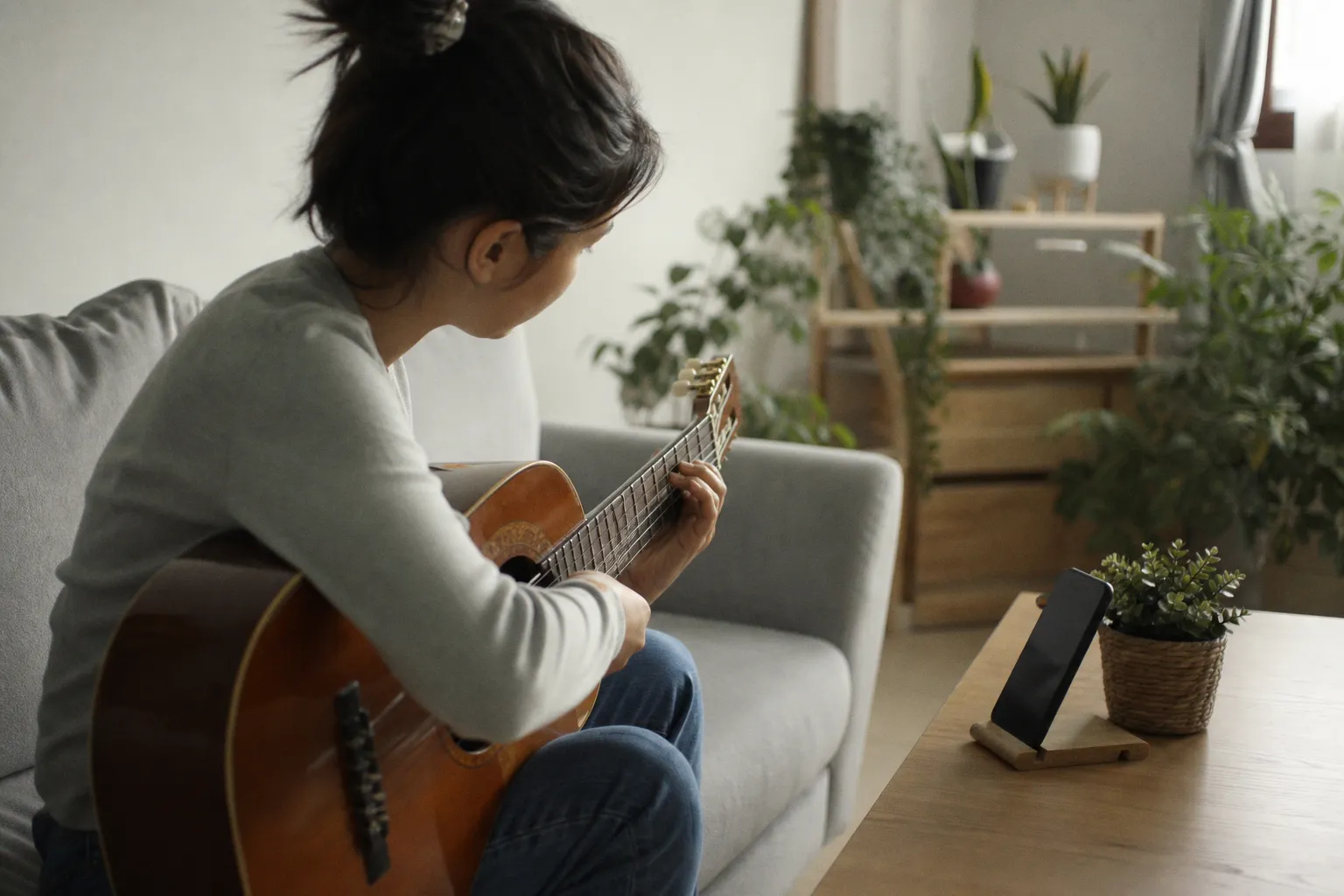
Ever watched your little one drum a beat on the kitchen table and thought, "There might be a musician in there"? Duolingo is betting on that instinct. Following its iOS success, the language-learning platform has brought its music course to Android, incorporating rhythm-based mini-games and digital keyboard integration. For families outside the Apple ecosystem—or educators looking for accessible music tools in classroom settings—this is a welcome expansion worth understanding.
What the Android Launch Actually Includes
The course pairs rhythm-based mini-games with a digital keyboard component, essentially turning note recognition and timing into the kind of bite-sized challenges the app is known for.
What makes this approach developmentally interesting is the combination of passive and active learning. Rhythm games train auditory processing and pattern recognition—foundational skills that support reading readiness and mathematical thinking. The keyboard integration, meanwhile, introduces finger coordination and sequencing. For younger learners especially, this kind of multimodal engagement tends to stick better than worksheets or flashcards.
The gamified structure here isn't just window dressing. Duolingo's familiar streaks and reward mechanics mean children who already use the app for language learning will feel at home immediately. That low barrier to entry matters when you're trying to build a new habit without the resistance that often accompanies "learning time."
The Bigger Picture: When Play Meets Skill-Building
A UNESCO report published this week offers compelling context for why moves like this deserve attention. The study found that mobile-based educational games improved literacy rates in developing regions by a significant margin, underscoring that well-designed gamified tools aren't just engaging—they produce measurable outcomes.
Of course, literacy and music education are different domains. But the underlying principle holds: when children experience learning as play, frustration tolerance increases and practice becomes self-motivated rather than parent-driven. We've seen this pattern across educational gaming for years, and music is a natural next frontier.
It's also worth noting the competitive landscape shifting around Duolingo's move. Prodigy Education recently launched an English-focused RPG that layers grammar and vocabulary practice into story progression, expanding beyond its math roots. The pattern suggests a broader industry recognition that children benefit from cross-curricular gamified experiences—not just isolated skill drills.
Integrating This Into Your Routine
If you're considering introducing Duolingo's music course at home or in an educational setting, here's how to approach it thoughtfully:
Start with co-play. Sit alongside your child during the first few sessions. Observe which elements capture their attention—rhythm games or keyboard practice—and use that as a conversation starter. This shared experience also helps you gauge their frustration tolerance and pacing needs.
Keep sessions gentle. Ten to fifteen minutes is often the sweet spot for younger learners. The app's gamified loops are designed to be compelling, which means children may want to continue past the point of productive learning. Watch for signs of fatigue or irritability rather than pushing for longer engagement.
Bridge the screen to the real world. If your child gravitates toward the keyboard lessons, consider whether a simple instrument at home— even a toy keyboard or xylophone—could extend that curiosity. Digital practice builds pattern recognition; physical instruments develop tactile memory and fine motor coordination in ways screens cannot fully replicate.
Consider the language connection. For families already using Duolingo for language learning, the music course creates a natural pairing. Music training strengthens phonological awareness, a skill directly linked to reading fluency and second-language acquisition. Two birds, one well-designed app.
The bottom line? This expansion democratizes access to structured music education tools that were previously limited to one platform. As with any screen-based learning experience, the value comes from how thoughtfully we integrate it—short sessions, real-world connections, and plenty of conversation about what your child is discovering along the way.