Middle School Science Games: 3 New Releases for July 2026
Ever notice how the summer slide hits science hardest right when concepts turn abstract?
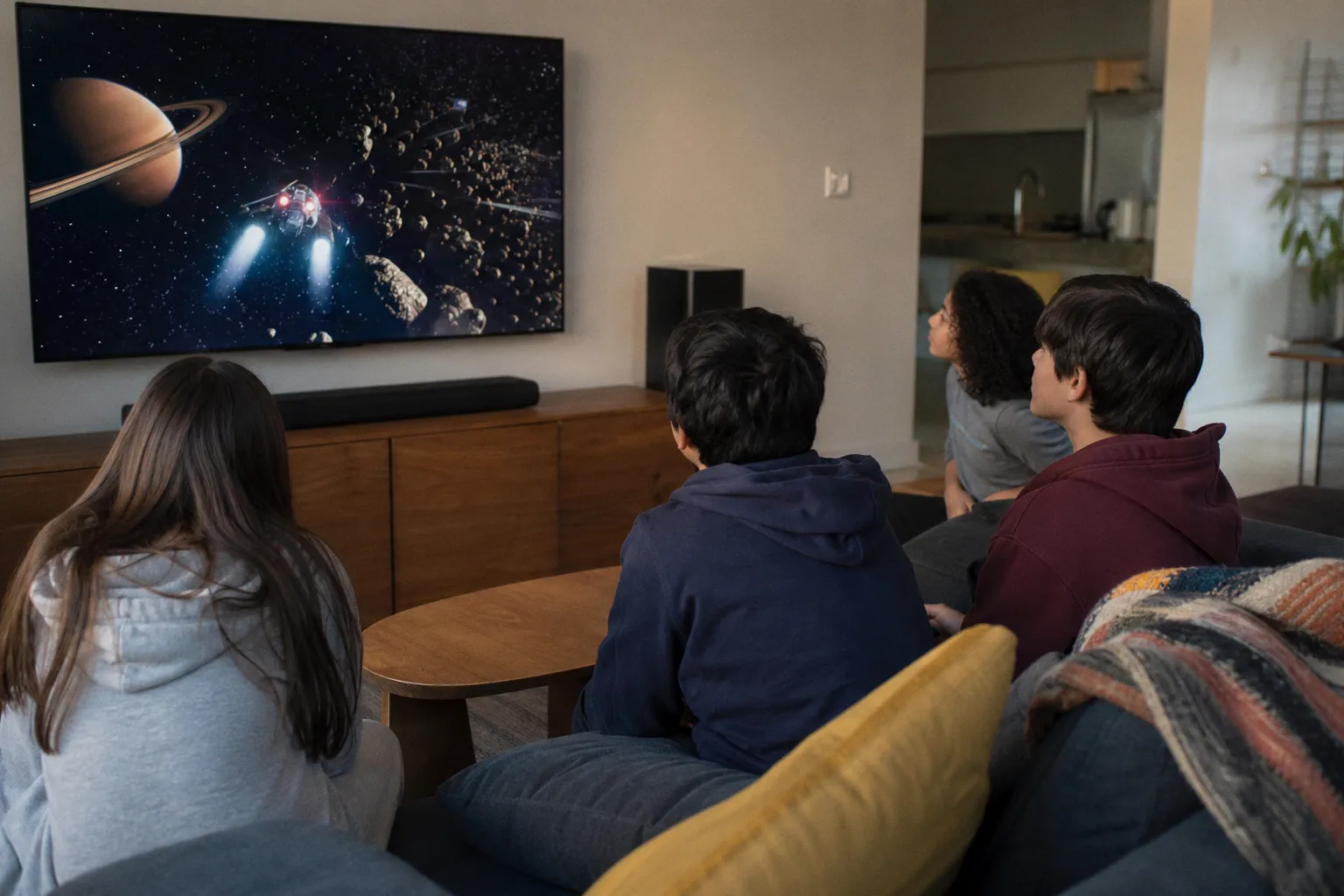
What's new in the K-8 Learning Universe
Legends of Learning expanded its K-8 catalog this July with three releases built around NGSS-aligned concepts. Bowling Method drops students into a bowling alley and walks them through observation, hypothesis, experiment, data analysis, and communication — the full scientific method loop dressed up as a sport. Space Junk Hunt tasks them with piloting a ship through asteroid fields using attraction, repulsion, and electromagnets, making invisible forces visible the moment they miss a repulsion window. Fossil Hunter turns stratigraphy into a dig-site puzzle where students compare rock layers to figure out relative ages.
The shared thread across all three? Kids are inside the investigation, not watching from the sidelines.
Why these mechanics match the milestones
Middle school is precisely where abstract science starts losing learners. The design team's framing is worth repeating: the scientific method only becomes automatic after repeated practice across different scenarios, and forces stay invisible until something actually moves. Each game addresses that gap directly.
Bowling Method gives that repetition inside a low-stakes environment kids already understand — a familiar sport reframed as inquiry. Space Junk Hunt makes charge and magnetism feel consequential rather than theoretical. Fossil Hunter asks students to reason backward through time, which is one of the trickier cognitive leaps in earth science. None of these are review drills in disguise; each one is built around a specific concept and asks the player to do the science, not just recall it.
A broader signal worth noticing
The games arrive the same week ASERA released its white paper Science Education: Fit for the Future (2026), prepared by researchers from Flinders University, Deakin University, and other Australian and New Zealand institutions. The report calls for incorporating AI into science curriculum, placing dedicated science specialist teachers in primary settings, and strengthening professional learning for generalist teachers. Its core argument: curricula and resources need to prepare young people as both science-informed citizens and future professionals.
Dr. Carol Aldous of Flinders, who chaired the working group, emphasized the need to nurture a "science identity" from early childhood onward — a framing that lines up neatly with what game-based learning is trying to do: turn passive vocabulary into active practice.
What to try this week
If you're a teacher or a parent running summer review: pick one game as a center or early-finisher rotation, then ask the student to explain one concept they observed during play. That simple debrief is where vocabulary sticks. If two players land on different results in Bowling Method, have them defend their conclusions using only their last few throws — that's where the real science conversation starts. Pair each game with a quick chat about the NGSS standard it touches, and you've built a review day that grows reasoning instead of just recalling it.