11 great apps for learning about mindfulness
Mindfulness has become the wellness industry's favorite shape-shifter — slap the word on a hashtag, a corporate retreat, or a $70-a-year subscription, and suddenly you're selling enlightenment.
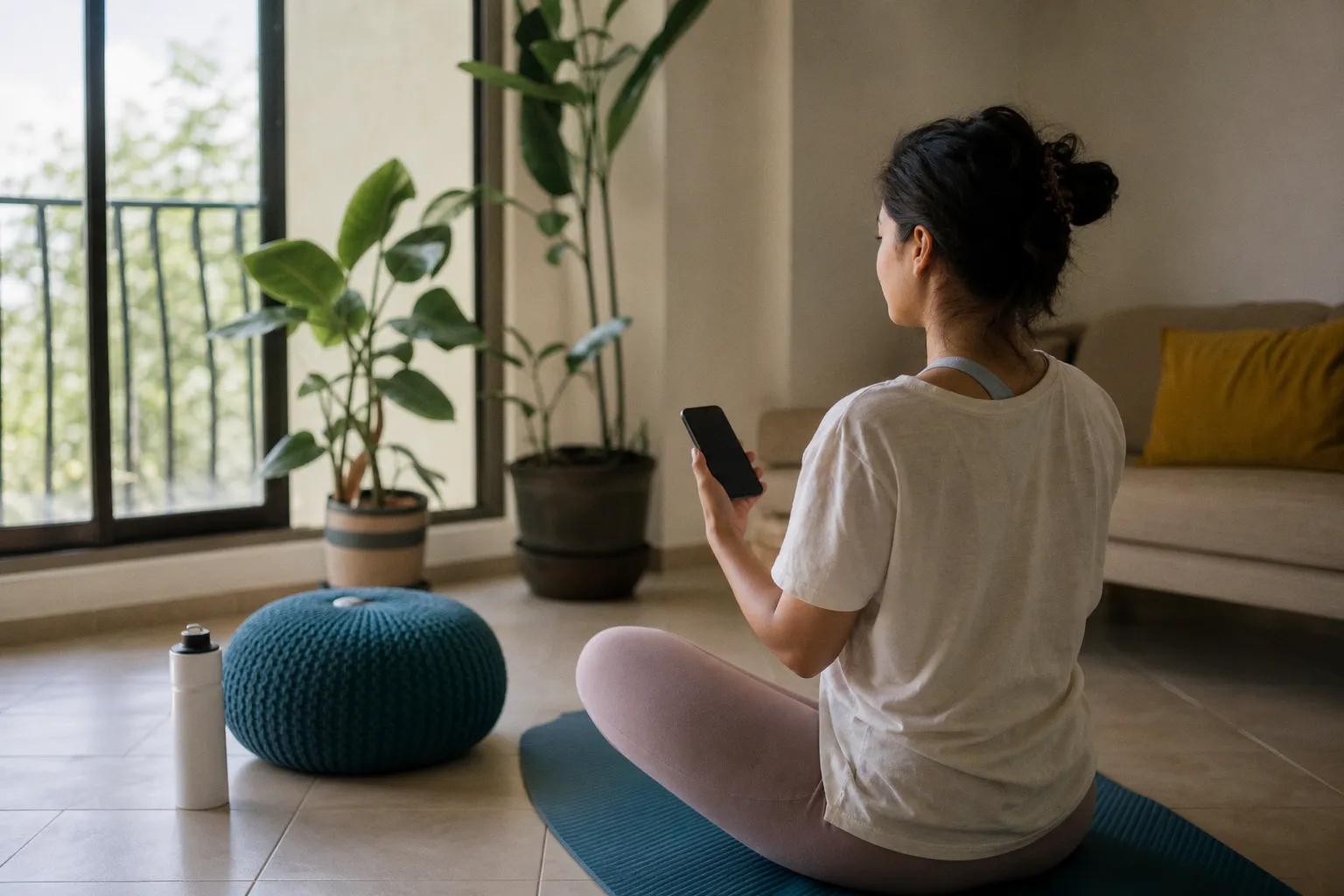
Mindfulness ≠ Meditation (Most Apps Won't Tell You That)
Here's the distinction that separates genuine cognitive tools from glorified nap timers. Diana Winston, who directs mindfulness education at UCLA's Mindful Awareness Research Center, draws a clean line: mindfulness is a quality of attention — paying focus, on purpose, in the present moment, without judgment. Meditation is one technique for training that attention.
The Mashable piece nails this distinction, citing Winston directly: "Do you have to meditate to be mindful? No. Does it help? Yes." That matters when you're evaluating apps. A lot of them bundle mindfulness with sleep tracks, relaxation exercises, and ambient soundscapes. Fine for winding down. But dozing off during a session isn't cultivating present-moment awareness — it's just a premium lullaby. Mindfulness meditation, properly structured, asks you to sit with whatever arises — pleasant, neutral, uncomfortable. That acceptance, the research suggests, is where the actual neuroplasticity benefits kick in.
The Sorting Problem: Hundreds of Apps, No Map
The real bottleneck isn't a lack of options. It's the paradox of choice colliding with vague marketing. Jon Kabat-Zinn's definition — the gold standard rooted in Buddhist meditation traditions — points to stress reduction, increased focus, and decreased emotional reactivity as documented outcomes. But when every app in the wellness category claims to deliver those same results, how do you separate spaced-repetition-grade training from digital snake oil?
Mashable consulted experts on what qualities actually matter when picking a mindfulness app. The piece doesn't hand you a single winner — it's a landscape survey, not a product shoot-out. For our audience, that's both useful and frustrating. You want to know which apps structure sessions around skill-building (acceptance, attentional control, non-reactive observation) rather than just soothing audio with a mindfulness label bolted on.
What to Watch Before You Download
If you're evaluating mindfulness apps for actual learning — not just ambient relaxation — filter for this: Does the app distinguish between meditation types, or does it lump everything into one "calm" bucket? Does it build progressive difficulty, or is every session the same guided breath-count? Is there evidence-based framing, or just celebrity voiceovers and subscription upsells?
The apps worth your time are the ones that treat mindfulness as a trainable cognitive skill — not a vibe. That means structured progression, clear pedagogy, and an honest acknowledgment that sitting with discomfort is the point, not a bug. Anything less is just an expensive reminder to breathe.