Explosive Growth in Virtual Training and Simulation Market: Expected to Reach $1.16 Trillion by 2030
$1.16 trillion by 2030 is the headline number now being attached to the virtual training and simulation market, according to a Yahoo Finance item surfaced in the latest source cluster.
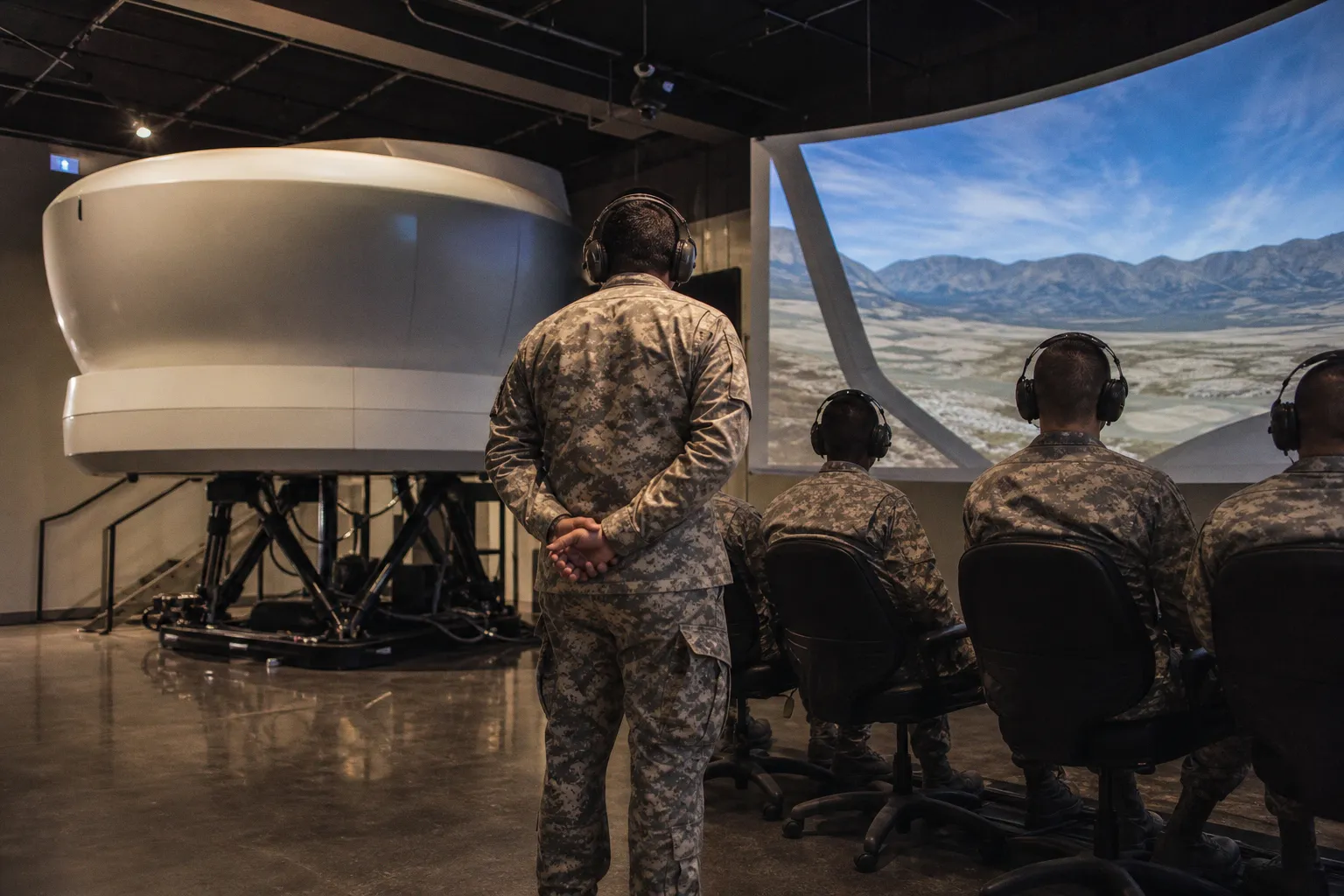
The market signal is broad, but the evidence is thin
The confirmed public signal is straightforward: Yahoo Finance carried a headline stating that the virtual training and simulation market is expected to reach $1.16 trillion by 2030. In the same cluster, openPR.com flagged strong growth in the learning management system market, while IndexBox listed a Canada-focused market analysis on machine learning courses.
Those three items point toward adjacent demand areas: simulated training environments, LMS infrastructure, and structured technical learning. However, the available snippets do not confirm the underlying methodology, forecast model, market definition, regional split, or product categories included in the $1.16 trillion estimate. That matters because “virtual training and simulation” can cover very different systems, from enterprise training platforms to education-focused simulations and app-based practice environments.
For the edutainment sector, the practical takeaway is therefore limited but useful. The market narrative suggests that simulation-based learning will remain a favored product category. It does not, on its own, prove that any specific educational game, puzzle app, or child-facing learning platform improves retention, transfer, or skill acquisition.
What buyers should inspect before accepting a simulation claim
A larger market forecast often produces a predictable gamification loop in product positioning: vendors emphasize immersion, scenario practice, adaptive pathways, or LMS compatibility before showing whether the design reduces cognitive load or supports durable learning. The critical inspection point is whether the simulation has a pedagogical spine.
A credible learning simulation should make the target skill explicit. It should provide scaffolding before complexity increases. It should give feedback that explains errors, not just marks them. It should control pacing so the learner is not overwhelmed by interface demands, visual noise, or unnecessary choice. It should also separate engagement metrics from learning outcomes; time spent inside a simulated environment is not the same as demonstrated competence.
For parents, educators, and lifelong learners, this means the purchase question is not “Is it immersive?” but “What does the learner practice, how is progress measured, and what evidence shows retention after the session ends?” If a product connects to an LMS, that is useful for administration, but it does not automatically validate the instructional model. Reporting dashboards can document activity while still failing to measure conceptual understanding.
The near-term verdict for educational gaming
The forecasted scale of virtual training and simulation should be treated as a market pressure indicator, not as proof of educational effectiveness. It signals that more learning products are likely to borrow the language of simulation, training, and platform growth. Some will use those mechanics well; others will wrap conventional content in a more expensive interface.
The return on investment depends on whether the system converts interaction into structured practice. In this niche, the strongest products will be the ones that make the simulation serve the learning objective, rather than making the learning objective serve the simulation. Until more detail is available behind the market forecast, the disciplined response is to evaluate individual tools by cognitive load, scaffolding, feedback quality, and retention evidence—not by the size of the category they claim to belong to.